




How to Plunge a Sink
Do you have a clogged sink drain? Whether your sink is completely clogged or just draining slowly, a sink plunger can help clear the blockage and get water flowing again.
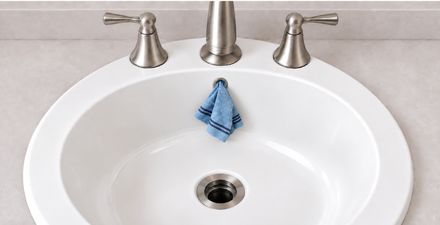
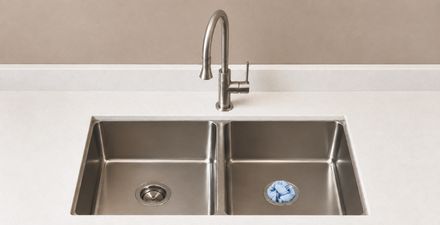
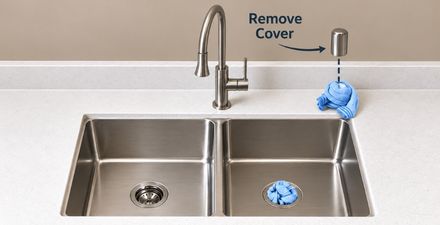
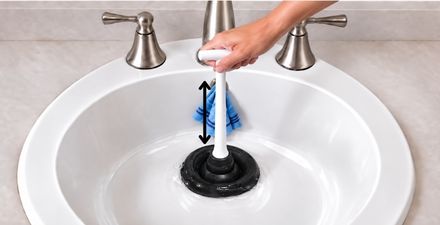
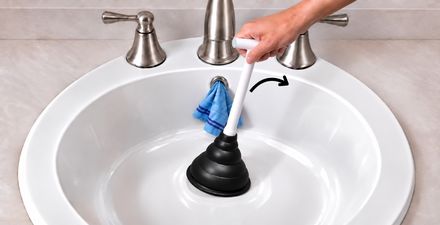
Before you start plunging, make sure you have a cup plunger. Next, plug any sink overflow holes, the second drain in a double-basin sink, the dishwasher air gap, or other drain openings. Creating a tight seal helps direct the pressure toward the clog and can make it easier to clear even a stubborn sink clog.
Once the clog clears, run hot water through the drain for a few minutes. This can help flush away loosened debris and buildup left behind after plunging. Running hot water through the drain occasionally can also prevent future clogs.

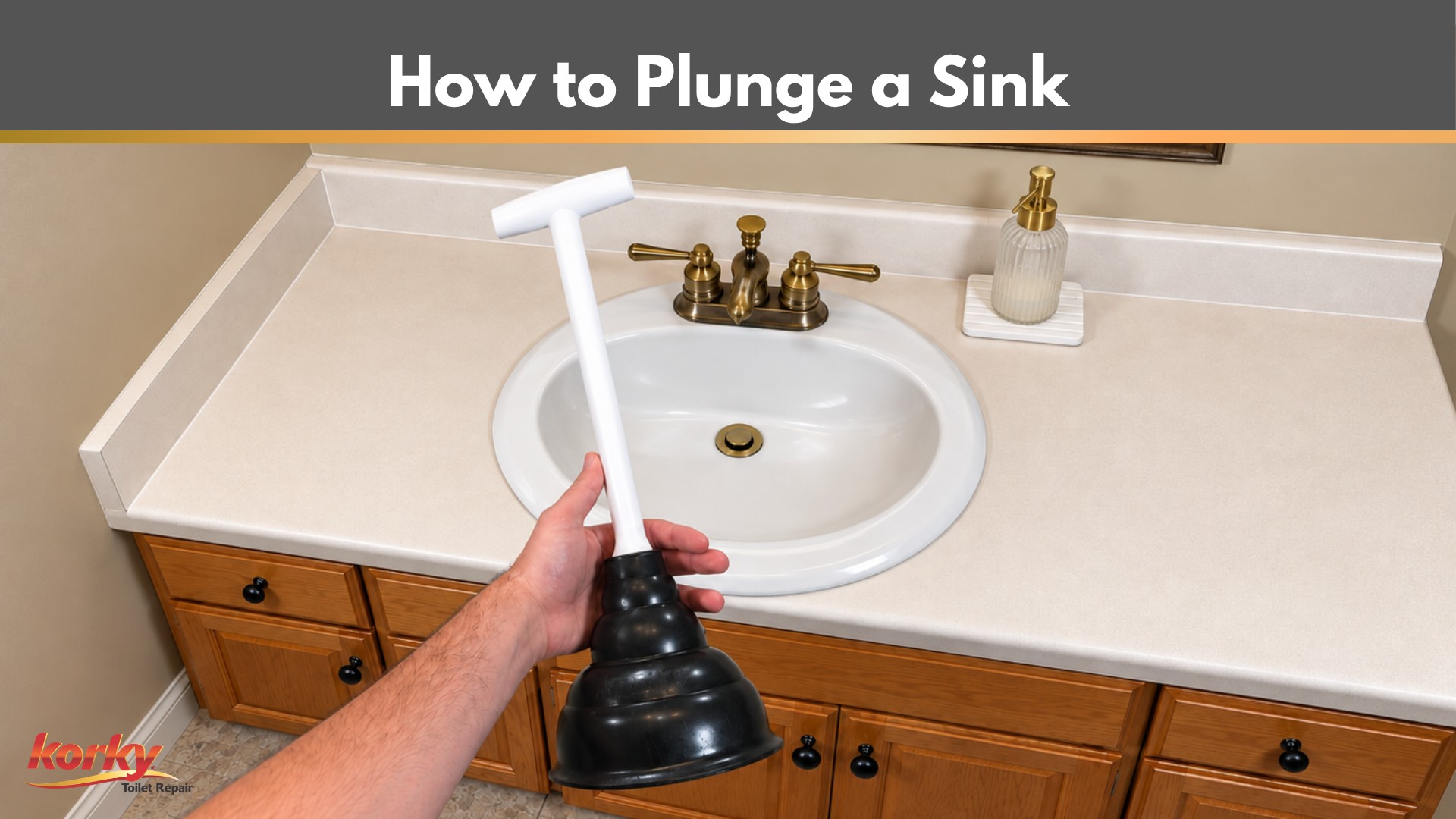


Step 1: Use the Right Plunger
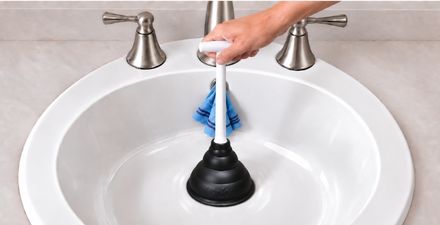
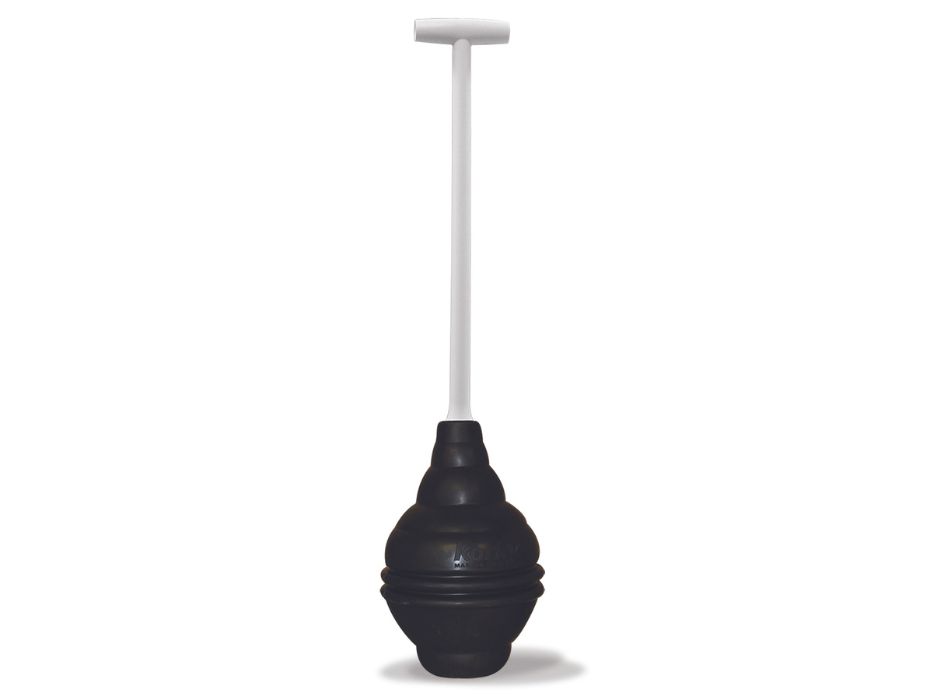
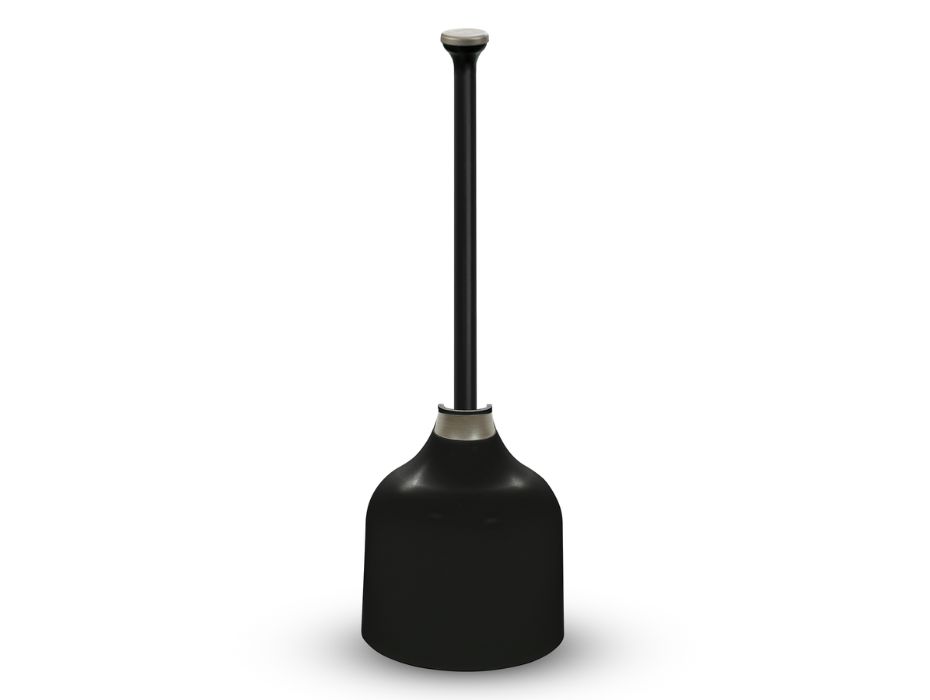
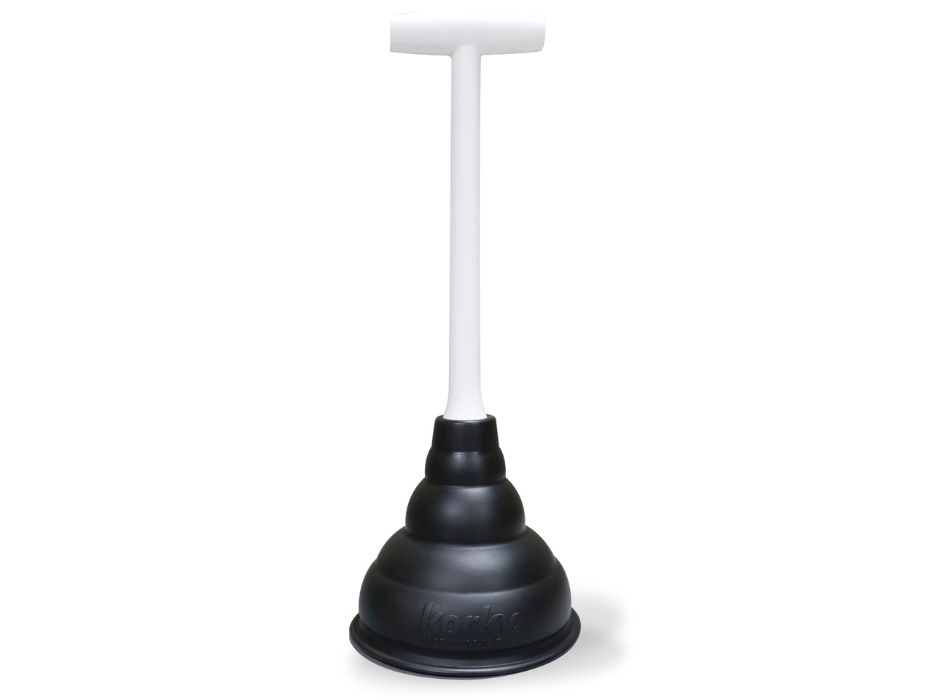
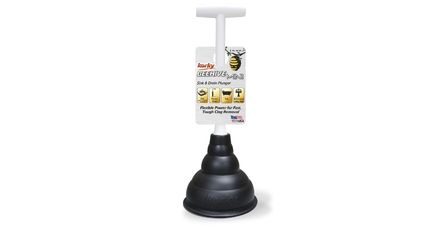
For a clogged sink, start with a cup plunger that is designed for flat drains. The Beehive Mini Sink & Drain Plunger creates a strong seal over sink drains to help direct pressure toward the clog. Its compact design works well in kitchen sinks, bathroom sinks, tubs, and other flat drain openings.
If you're interested in learning more about different types of plungers, see our Sink Plunger vs. Toilet Plunger guide.